Our approach
Research-grade thinking for agriculture and natural resources by people who walked the field
What we do
Lakeview helps organisations committed to positive change to close the distance between what research knows and what actually gets done. We link practice, research and policy by connecting context and knowledge: what people do and why, what other sources of insight can bring, and how to operationalise for effective learning. Agricultural and natural-resource innovation taught us that "every situation is its own equation". Thankfully there are patterns toward building solutions that our clients can use.
Our strength is in helping to solve enduring problems: complex, multi-faceted, ill-defined, the kind that resist quick fixes precisely because no single discipline or perspective contains them. For instance, we will bridge different fields of research; tailor existing methods to new contexts; add engineering approaches to agricultural tools because they offer pragmatic simplicity; suggest ecological lenses because they excel at capturing biological complexity.
Crucially, we pay attention to what people actually do, rather than what they think, to ensure we remain practical. It's harder to capture, and it's our speciality. We focus on what is actionable, rather than "what should be done", because people must make choices out of all that thinking. This is where real value is.
How we work
We ground our perspective in years working with farmers and land managers across contrasted environments
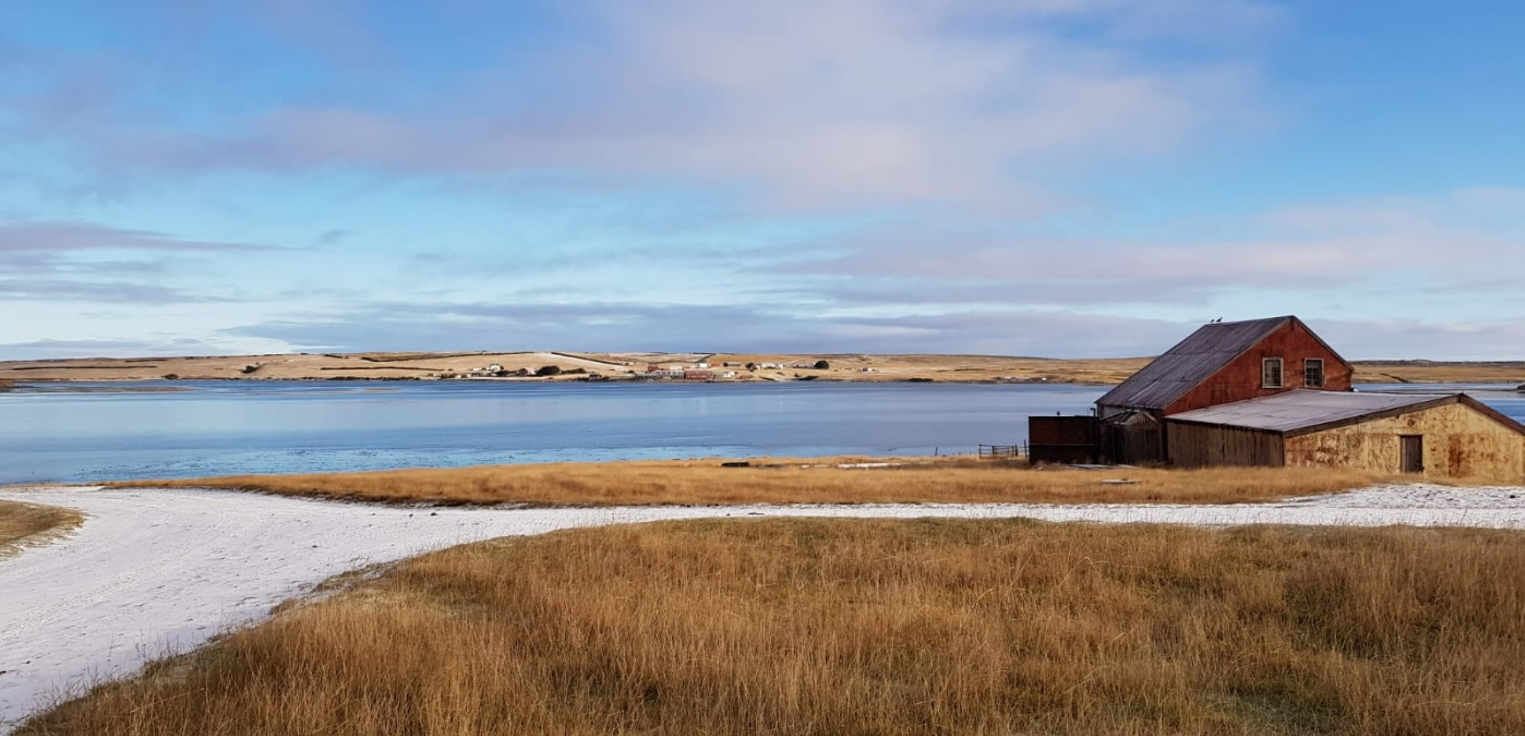
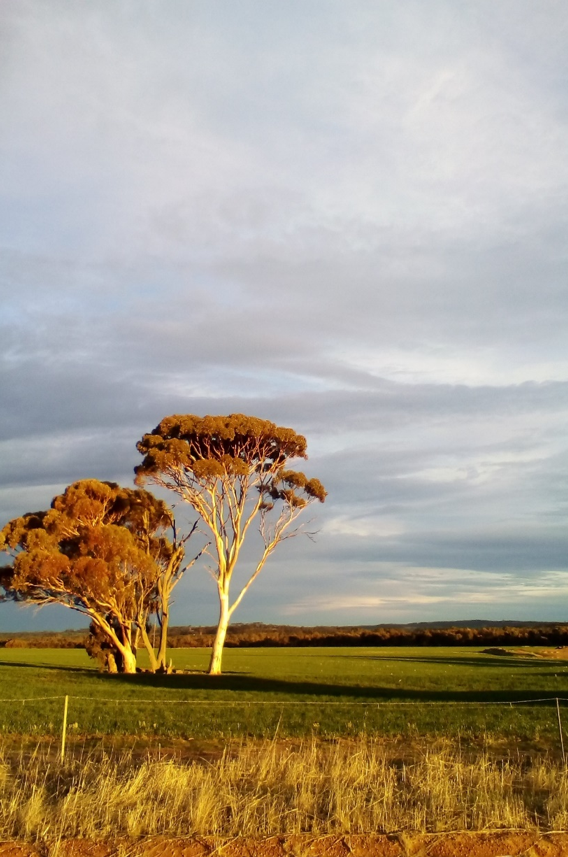
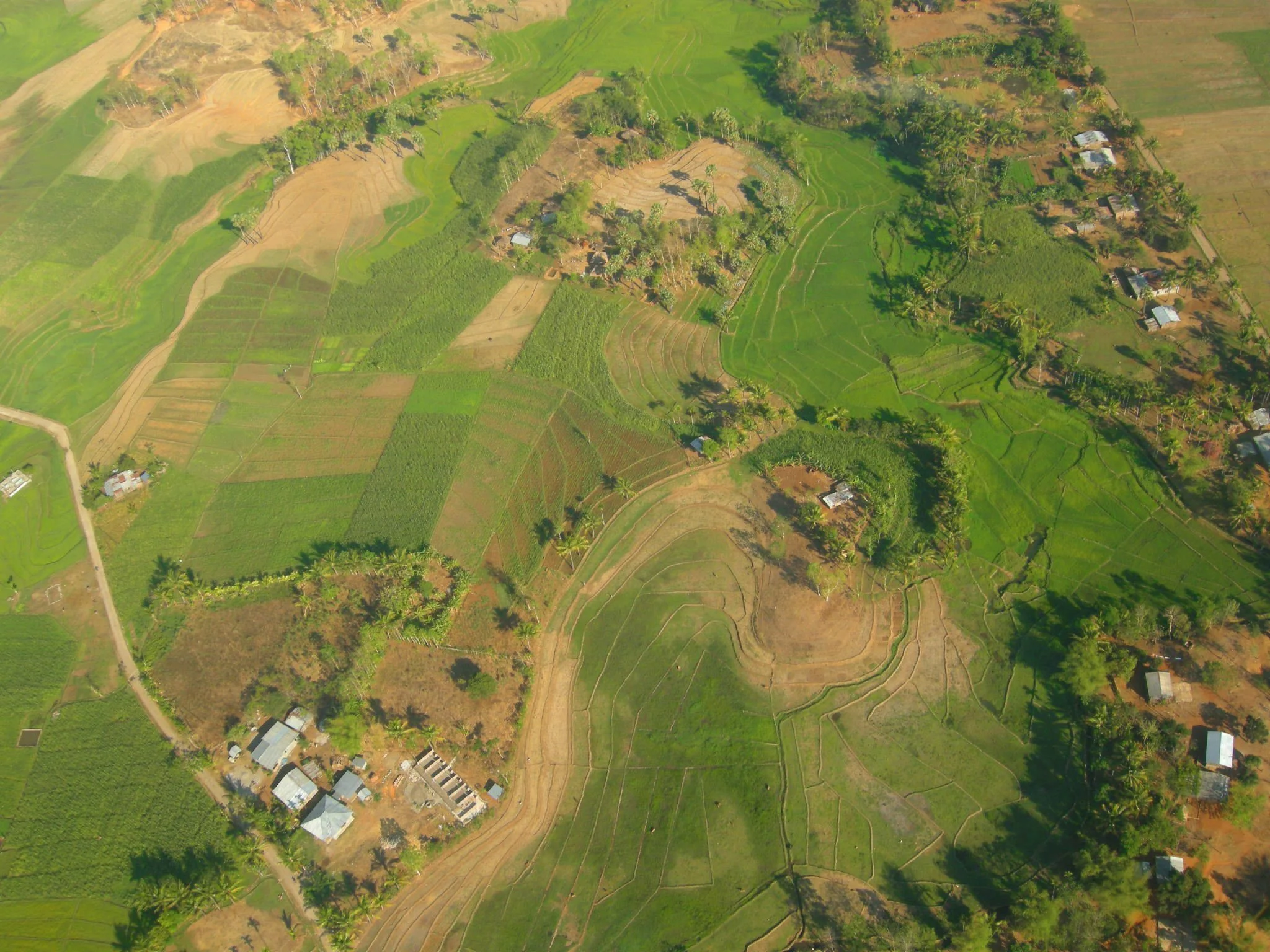
Our field experience is the foundation upon which our strategic work survives contact with reality. We have worked in smallholder and broadacre agriculture, including pioneer fronts and marginal areas in South-East Asia, the Australian wheatbelt, remote Falkland Islands pastures, agroecological and regenerative efforts in Europe. We have spent enough time on the ground to know what does and does not hold.
1.
We actively collaborate with the research world, backing up ideas and practice with the latest evidence
Our academic collaborations hold us to a continuing commitment to rigour and the state of the art. Our global scientific network is part of what we bring.
2.
We connect disciplines, cross boundaries and merge complementary expertise
From applied agronomy to system thinking and innovation sciences, we can see the same problem from different angles. The practical effect for a client is to provide a coherent piece of work with the cross-check already built in.
3.
“Matt, I like the value you put on science yet you still have that applied, practical bent, which means you get somewhere with farmers.”
Prof Jim McAdam, Queen’s University of Belfast,
Director, Irish Agroforestry Forum,
Editor of The Falkland Islands Journal
What clients actually get
In short: clients leave better able to solve the problem themselves. We are not in the business of creating dependence on us. The lasting value is in the capacity we help build, the clearer framing, the better processes, the monitoring tools that lead the organisation to move forward, meaningfully.
Part of that value is decisions an organisation can defend. The work we produce is built to survive scrutiny from every direction it will face: a funder asking why this and not something else; a scientist asking whether the method holds; a farmer asking whether it is worth their time; a board or a regulator asking whether the numbers are real; a policy-maker asking did it have an impact. We design for all of these tests.
The rest of the value is quieter but compounds over time: the framing that makes a tangled problem workable, the synthesis that turns a pile of evidence into a clear next step, the structured processes that keep working after we step away. This is why we tend to prefer longer relationships to one-off deliverables, as the deepest value usually comes from supporting continuous improvement rather than from single interventions.
“Myrtille is one of the smartest people I've ever met. She is able to pause and see many complex aspects, then measure them and assemble them in a very constructive, problem-solving way.”
Joseph Croke, Research and Education,
Chairperson, Chartered Institute of Horticulture,
Munster Technological University, Ireland
How an engagement runs
Engagements usually begin with a conversation about the problem rather than the deliverable, because the stated problem and the real one are often different. From there, scope can be almost anything: a short critical brief or second opinion; a synthesis or framework produced over a few weeks; facilitation of a co-design process; or a longer advisory relationship on a retainer basis, where we support a team as a program evolves.
We work remotely, internationally, and travel when the work needs us on the ground. We provide both sharp one-off pieces and embedded, long-term support, and we will say at the outset which one we think a problem actually calls for.
“Well, Matt, you DO engender trust. You have good style that will challenge, but in a friendly way.”.
Prof Simon Cook, Western Australia Premier's Fellow, Murdoch University
What we don't do
We are not the right partners for everyone.
We are not useful for work designed to be delivered from the top. We have seen too many well-intentioned efforts fail for this reason to help build another one. We do not reject ambition or expertise, we insist on connecting it to what is happening on the ground. That connection is how value can be realised.
Therefore, all our work includes human dimensions, system thinking and multi-level considerations. In our experience, that is what works better in the long term and for more people. Yes, it might mean slowing down, and it can be difficult - but most things worth doing are.
And we are wary of the "Technology Fallacy": as others have put it, "tech is easy, people are hard". High tech can be useful, so can low tech, and similarly we are not fixated within any particular paradigm. We do not settle, but explore, and respectfully learn what is useful from each. A good part of our work is helping organisations find the harder, more useful middle ground.
